Web Content Author-Durham Sumner
If you're thinking about vision correction alternatives, SMILE eye surgery could be on your radar. This innovative procedure includes creating a tiny lenticule in the cornea to resolve nearsightedness and astigmatism. Unlike conventional LASIK, it's much less invasive and guarantees quicker recovery. However, while there are considerable benefits, there are likewise risks involved. Recognizing both aspects can help you make an educated choice concerning your eye health and wellness. What's the healing process like, and what should you anticipate?
Recognizing the SMILE Treatment
The SMILE procedure, or Small Incision Lenticule Extraction, is a minimally intrusive eye surgery created to remedy vision issues like nearsightedness and astigmatism.
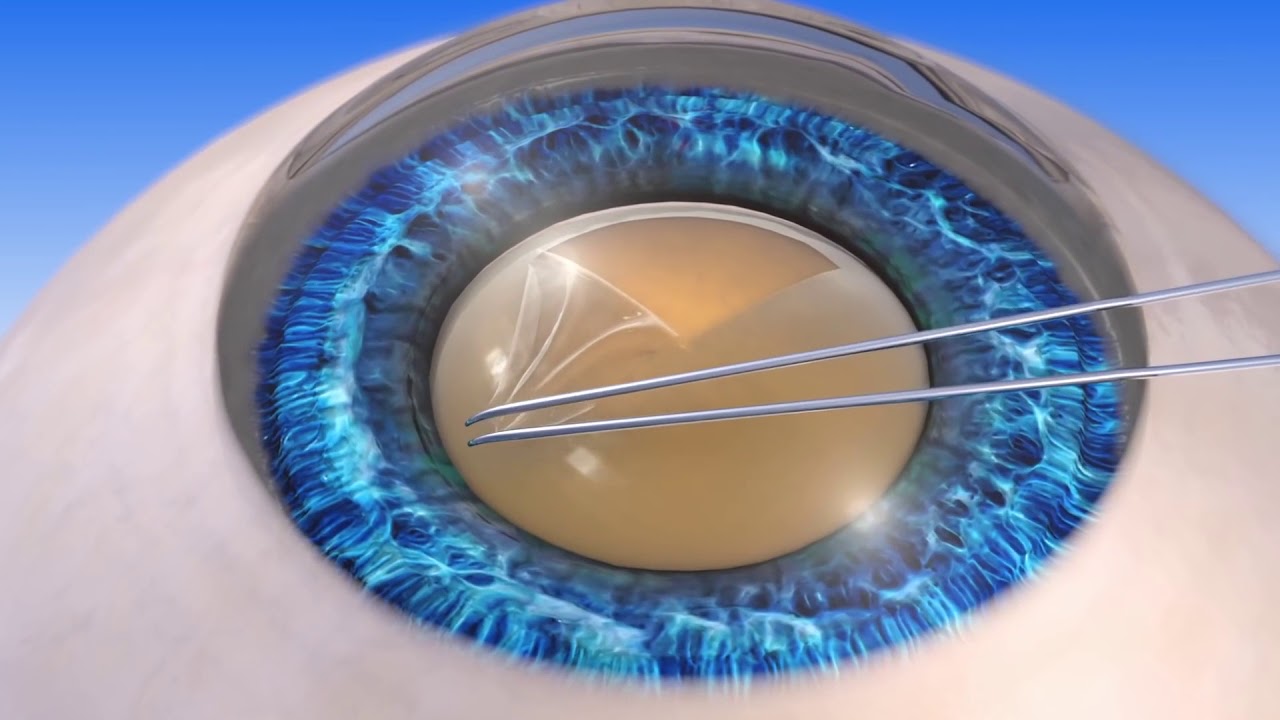
Throughout this treatment, a laser develops a small lenticule, or lens-shaped tissue, within the cornea. You will not require any stitches, as the little incision enables a fast recovery.
The doctor then removes the lenticule with this little cut, reshaping your cornea to improve your vision. Unlike typical LASIK, SMILE does not call for the production of a big flap, which can cause less problems.
You'll find that this strategy is less turbulent to the corneal framework, potentially boosting security. Understanding the treatment helps you feel extra certain as you consider your alternatives for vision adjustment.
Perks of SMILE Eye Surgical Treatment
While taking into consideration vision improvement alternatives, you may find that SMILE eye surgery supplies several engaging benefits.
Initially, it's minimally invasive, requiring only a tiny laceration, which suggests less interruption to your eye structure. This leads to quicker recovery times and less pain contrasted to traditional LASIK.
You'll likewise value its accuracy; SMILE utilizes advanced laser technology to reshape the cornea, providing excellent outcomes for nearsightedness and astigmatism.
In addition, many individuals report improved aesthetic quality, with less circumstances of glare or halos. Because there's no need for a corneal flap, your eyes remain a lot more secure post-surgery.
Lastly, the treatment typically takes just a few minutes, permitting you to return to your daily activities much faster than with other techniques.
Potential Dangers and Healing Refine
Although SMILE eye surgical procedure is normally risk-free, it is necessary to be familiar with prospective risks that can develop throughout or after the treatment. Some people may experience short-term adverse effects like dry eyes, glare, or halos around lights.
In rare situations, difficulties such as infection, vision loss, or the requirement for added surgical treatment can take place.
https://mgyb.co/s/ANZYV involves a few days of rest and preventing laborious tasks. You must follow your specialist's post-operative directions thoroughly, including using prescribed eye declines and attending follow-up consultations.
https://collegian.com/2020/10/category-arts-and-culture-horoscopes-10-12-2020-what-to-expect-this-mercury-retrograde/ discover boosted vision within a couple of days, however full recovery can take weeks. Remaining person and offering your eyes time to recover is essential for the best result.
Conclusion
To conclude, SMILE eye surgical procedure provides a modern-day, minimally invasive option for dealing with nearsightedness and astigmatism. With its quicker healing time and lowered pain, it's an attractive selection for lots of. Nonetheless, it's vital to consider the prospective dangers versus the advantages. By staying educated and adhering to post-operative treatment, you can maximize your possibilities of a successful outcome. If you're considering this procedure, speak with your eye care expert to determine if it's right for you.